Empowering Teams for Strategic Impact: Building a Research Enablement Framework
Theme: “Scaling Research Through Enablement”
Focus: Research Operations • Leadership • Organizational Impact
MY ROLE
As Senior UX Research Manager, I led a team of 5 researchers supporting multiple product domains across consumer and platform products.
I partnered with Design and Product team members and leadership to design and implement a sustainable research enablement model that scaled quality insights without scaling headcount.
Stakeholders included: VP of UX, Design Directors, PM Leads, and Legal/Data Privacy partners.
CONTEXT & CHALLENGE
As our product organization scaled, researchers were increasingly pulled into ad-hoc usability requests, leaving limited capacity for strategic, forward-looking research. Designers and PMs often needed quick insights but lacked the tools or confidence to run lightweight research effectively and responsibly.
How might we democratize access to research while maintaining rigor and freeing researchers to focus on strategic, high-impact work.
APPROACH
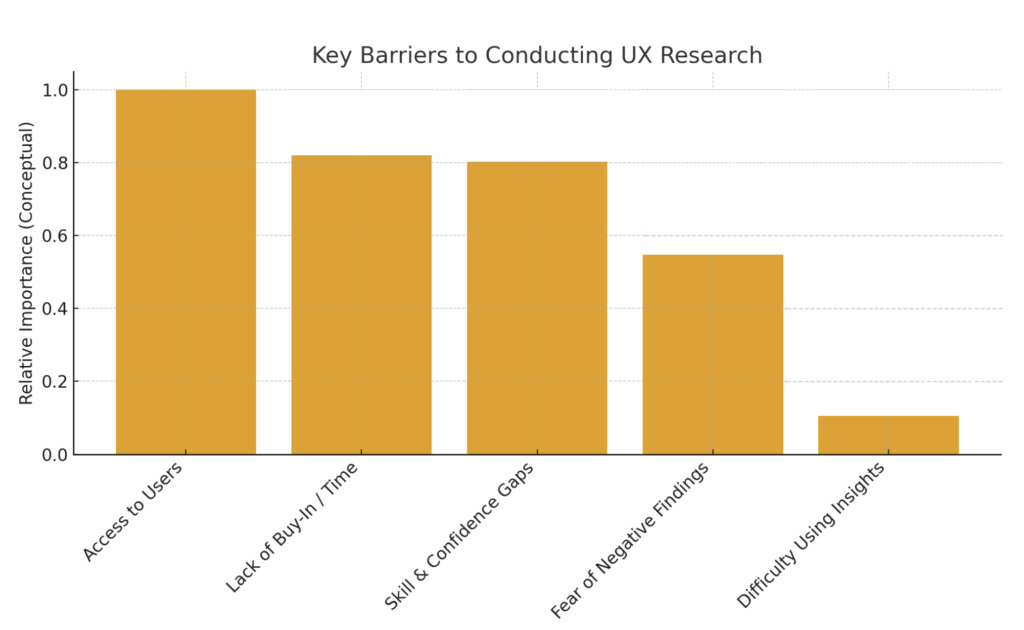
I led the team to research the needs designers and PMs. Together we identified the following most common and impactful obstacles:
- Access to relevant quality users
- Lack of organizational buy-in / time constraints
- Skill & confidence gaps in research methods
- Fear of uncovering negative feedback or disruption
- Difficulty turning insights into decisions or action
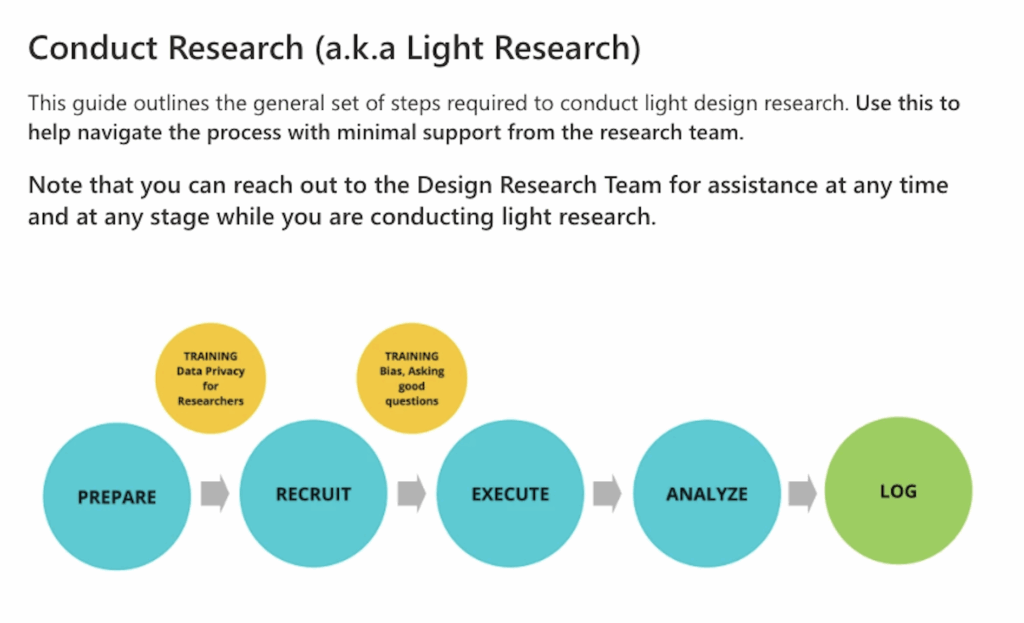
To address these needs, together we developed and rolled out a Research Enablement Framework designed to empower non-researchers, supported by training, tools, and governance.
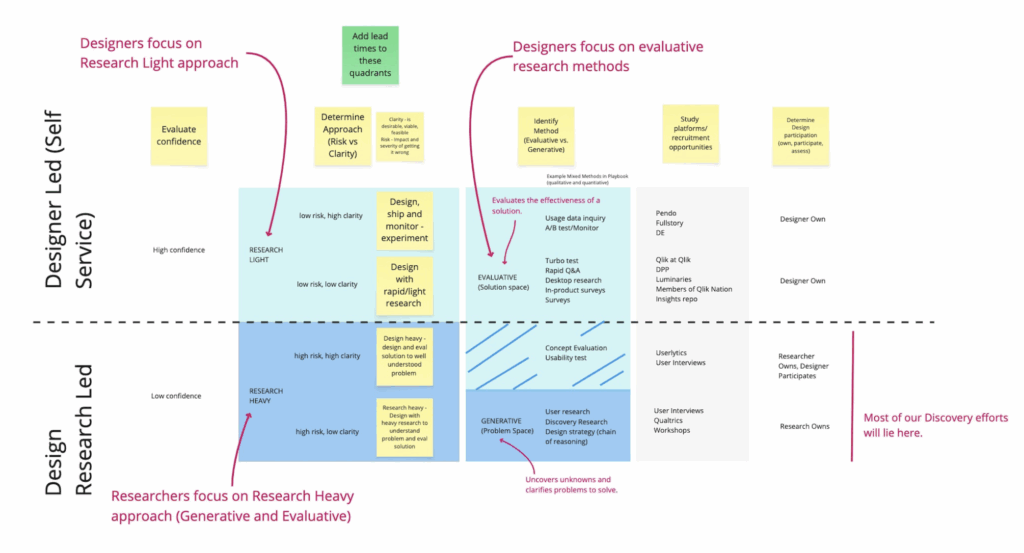
Tiered Research Model:
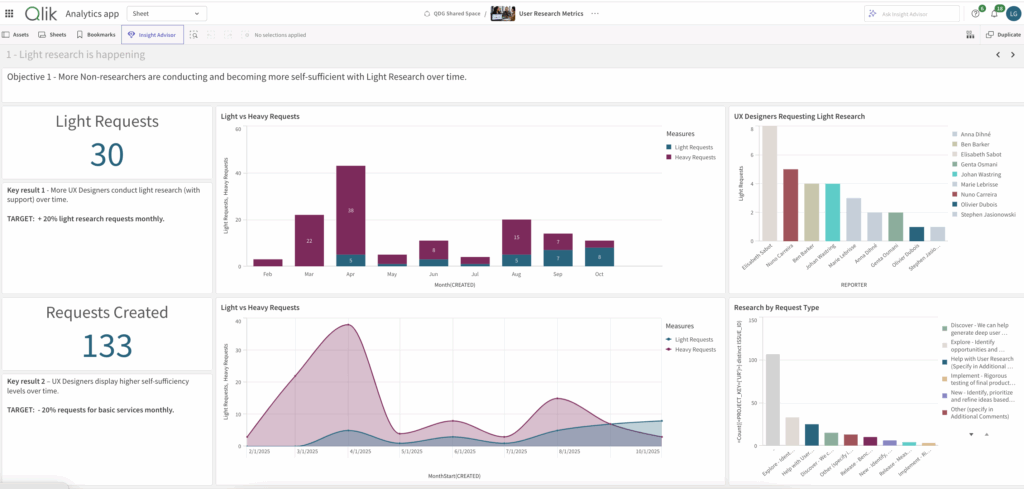
Level 1: Designer/PM-led light studies (surveys, unmoderated usability).
Level 2: Researcher-partnered heavy projects (moderated or high-risk).
Level 3: Researcher-led strategic initiatives (generative, foresight, or multi-market).
Self-Service Toolkit:
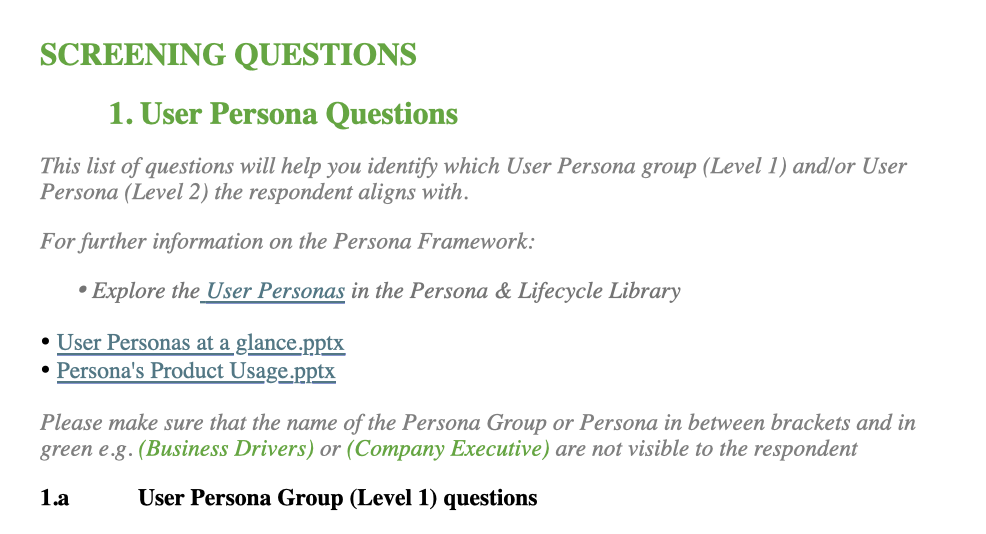
Documentation with instructions and ready-to-use templates for research plans, screeners, synthesis, and a “Quality Checklist” to guide responsible DIY studies.
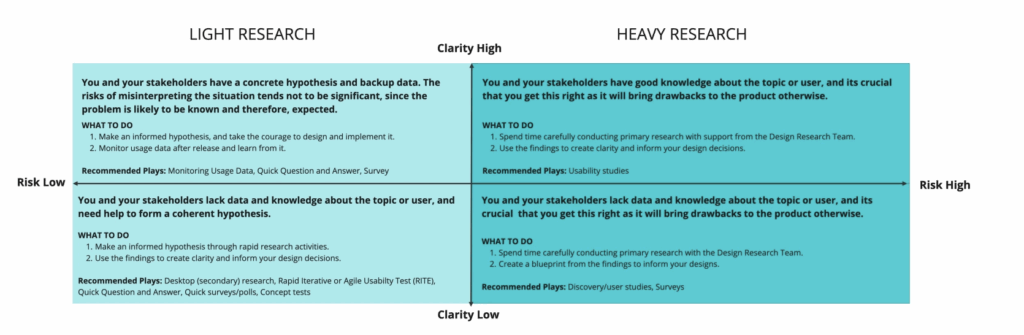
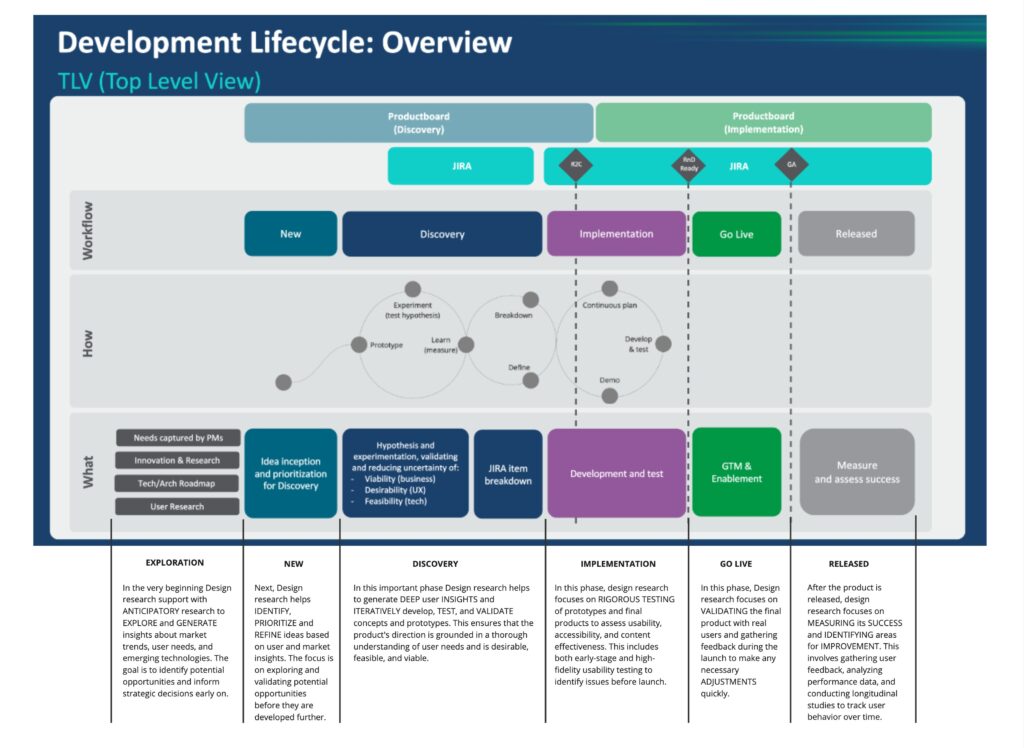
Including instructions on when and why to do research based on risk versus clarity of problem and positioning within the design process/development lifecycle.
Training & Mentorship:
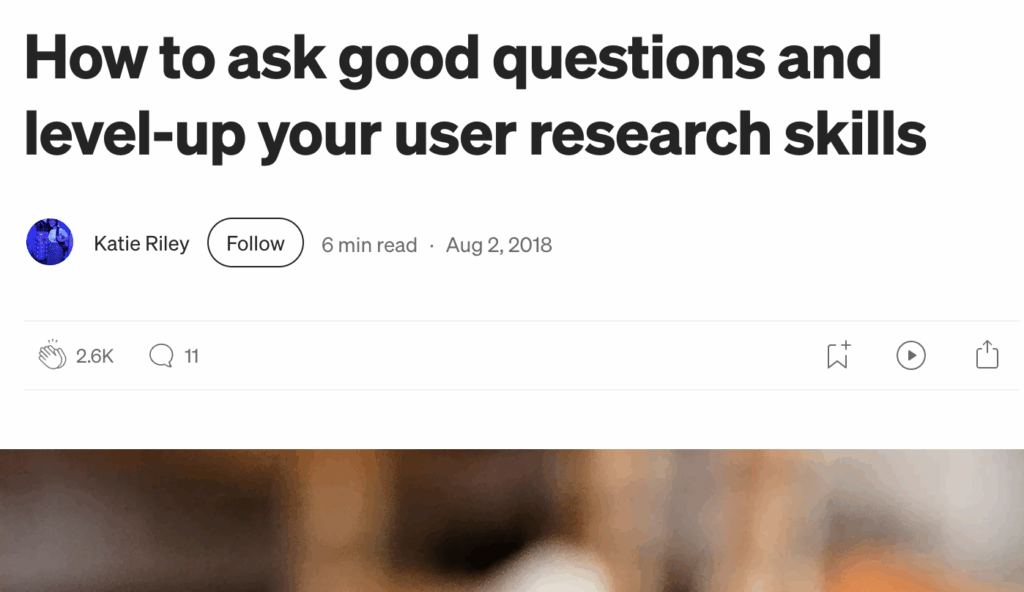
Each team was assigned a research coach and offered weekly office hours, workshops, and 1:1 coaching to raise research literacy across design and product.
Governance & Oversight:
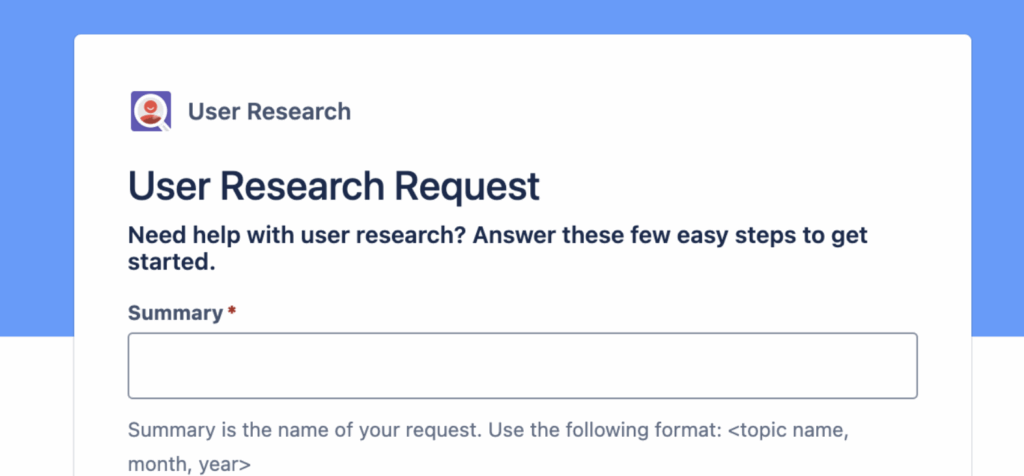
Simple intake system in Jira for assignment. visibility, tagging, and compliance.
Culture & Communication:
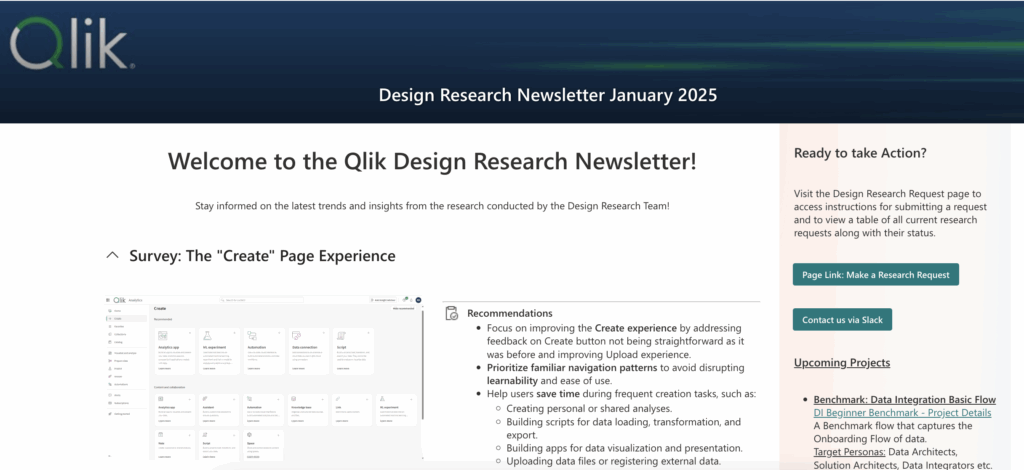
Shared success stories through quarterly “Showcases,” reinforcing that enablement strengthens—not replaces—UXR expertise.
IMPACT
Quantitative Results
- Reduced reactive ad-hoc load on UXR team by 20%, enabling a 2× increase in strategic projects delivered annually.
- 26+ designers trained in light research methods within six months.
- Average time-to-insight for small usability issues improved from 3 weeks to 5 days.
Qualitative Results
- Improved stakeholder perception of UXR responsiveness.
- Designers reported greater confidence and accountability in product decisions.
- Researchers gained focus to pursue generative and foresight research aligned with long-term innovation goals.
LESSONS LEARNED
This initiative reshaped research from a service model to a strategic function.
By empowering cross-functional partners with structure, tools, and mentorship, I enabled the UXR team to operate at a higher strategic level—driving foresight, innovation, and organizational influence.
I learned that scaling research impact is not about doing more studies—it’s about raising the organization’s research literacy and creating the conditions for insight to thrive at every level.
ARTIFACTS
Framework Documentation: “Empowerment with Accountability” model (Levels 1–3).
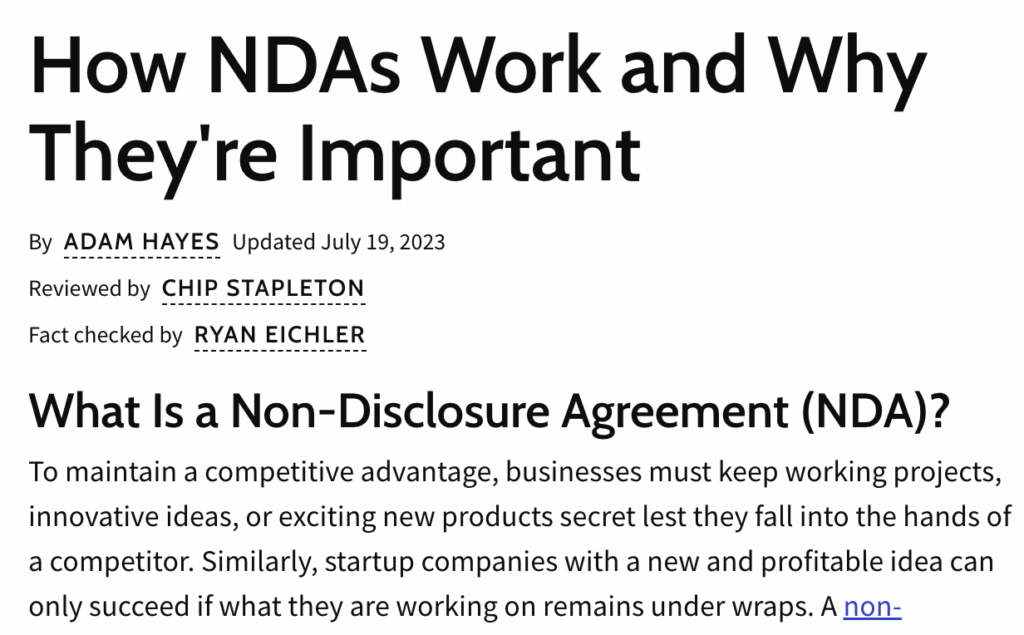
Toolkit Library: consent forms, interview guides, synthesis templates.